What is Susto? Soul Loss and Somatic Trauma Integration
Bridging indigenous Mesoamerican spiritual frameworks with modern clinical dissociation mapping.
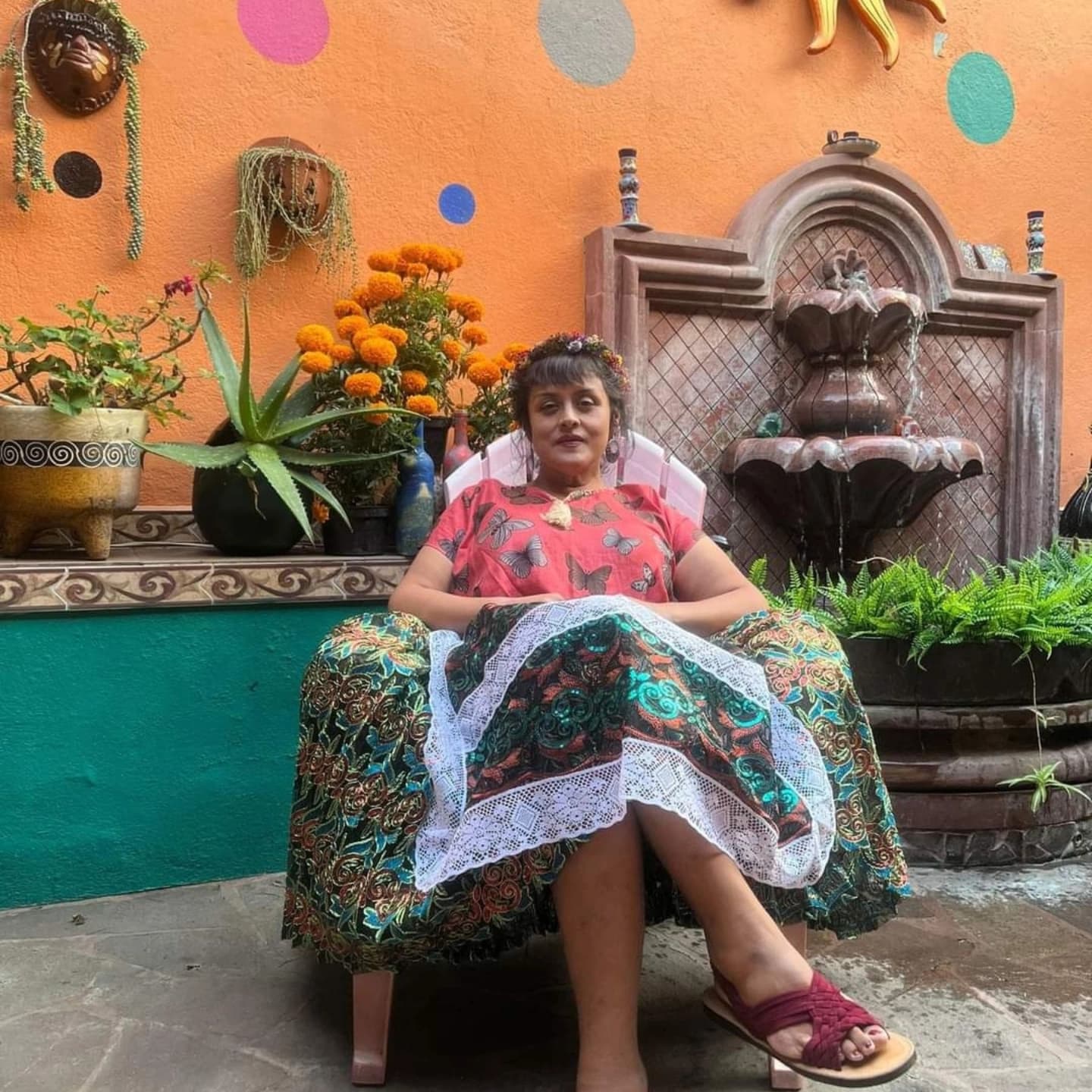
Morgana Sin
M.A. Psychology • Somatic Trauma Specialist
What is Susto?
Susto is a traditional indigenous diagnosis (deeply rooted in Purépecha and Mesoamerican culture) translating directly to "fright" or "soul loss." It occurs when a sudden, overwhelming emotional shock or boundary breach causes elements of an individual's vital life force to scatter out of physical presence, leaving the central nervous system perpetually dysregulated.
In modern clinical psychology, this ancestral framework corresponds beautifully with acute dissociation, depersonalization, and post-traumatic stress responses. When an organism encounters an impact too severe for conscious processing, it initiates an automatic survival split. The physical vessel remains operative, but access to core vitality, spontaneous joy, and coherent presence becomes compromised.
The Neurobiology of Scattering
Empirical neuroscience confirms what traditional curanderos have understood for centuries: trauma does not reside primarily in the cognitive brain; it is stored as trapped physiological loops within the soft tissues and autonomic nervous system.
According to foundational somatic integration paradigms, chronic hyper-vigilance resulting from unintegrated susto consumes immense baseline metabolic reserves. The scattered fragments are essentially frozen autonomic defense patterns trapped in continuous loop cycles, desperately attempting to resolve the original historical threat.
Somatic Soul Retrieval Protocols
Classical clinical talk therapy frequently falls short when addressing profound soul loss because cognitive insight alone cannot override deeply embedded visceral defense states. Sustainable retrieval requires an active synthesis of multi-layered protocols:
- Establishing Safety Architecture: Before attempting to retrieve scattered energetic pieces, the physical container must demonstrate baseline somatosensory grounding. This involves mapping external orienting responses and expanding nervous system capacity.
- Sacred Plant Medicine Catalysis: Entheogens (when guided within deliberate, non-clinical indigenous containers) serve to temporarily bypass the Default Mode Network (DMN), granting conscious access to the fragmented survival layers.
- Active Somatic Dialogue: Treating the dissociated parts as cooperative co-players rather than pathological symptoms. Through mirror work and tracking somatic markers, the vital force is invited back into physical residency.
True recovery is the art of calling yourself back home. It is recognizing that the scattered pieces are simply waiting for an environment secure enough to hold their return.
Frequently Asked Questions
What are the common physical symptoms of unintegrated soul loss?
Common symptoms include persistent depersonalization, chronic systemic fatigue, feeling perpetually disconnected from physical presence, spontaneous emotional numbness, and looping autonomic hyper-vigilance.
Can susto be resolved using standard talk therapy alone?
Standard talk therapy alone frequently falls short because cognitive insight cannot override deep visceral defense patterns. Resolution requires active somatic orienting, soft tissue regulation, and deep nervous system dialogue.
Is somatic integration safe for complex trauma survivors?
Yes, when facilitated within intentional containers that establish stable safety architecture first. By titrating processing to prevent flooding, survivors systematically expand their threshold for spontaneous vitality.
Morgana Sin • La Curandera Hub